We often see families overwhelmed when clearing out a cluttered estate or managing a neglected property. Stagnant air and hidden water damage in these homes create the perfect breeding ground for fungal growth.
The physical reactions people experience in these environments are frequently misunderstood. Identifying mould health symptoms early can save you from prolonged illness and expensive property disputes.
We will break down exactly how to recognize these physical warning signs and explain the precise moments when indoor air quality testing is actually necessary.
Recognizing mold exposure symptoms when to test is the first step toward reclaiming a safe environment.
What Exposure Actually Looks Like
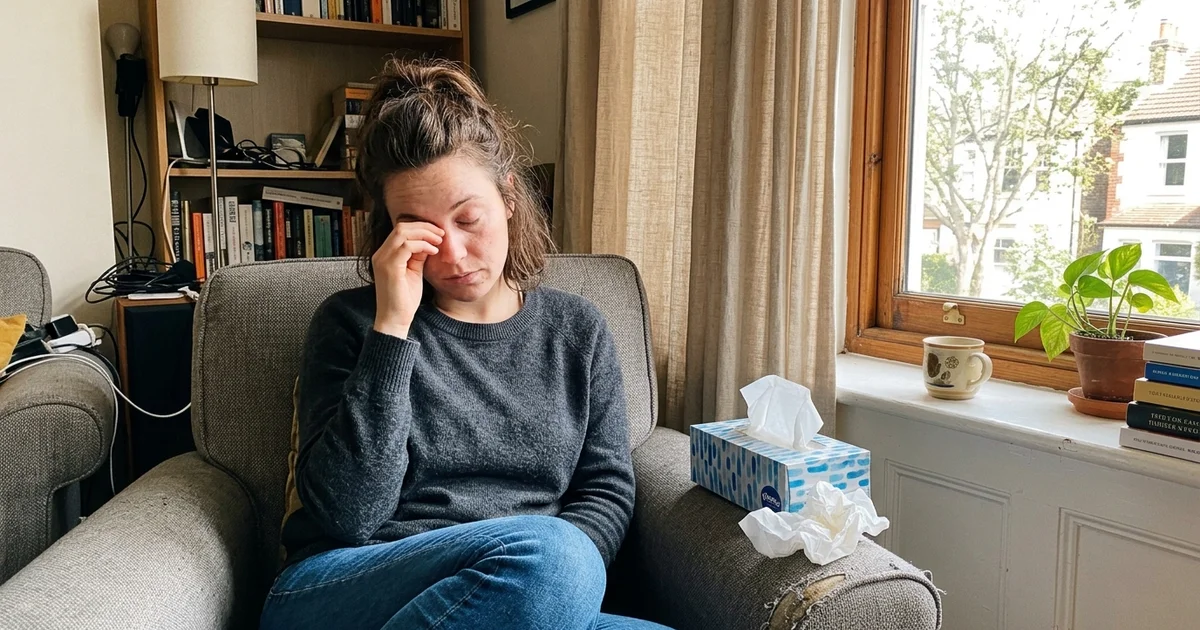
Mould exposure symptoms are unglamorous and easy to mistake for something else. This overlap is precisely why they persist for months before anyone connects them to the building.
We frequently watch executors dismiss their sudden nasal congestion or coughing as simple dust allergies during an estate cleanout. Throat irritation, itchy eyes, skin rashes, and worsening asthma control in previously stable individuals are all common red flags.
Headaches and general fatigue are also frequently reported by families sorting through crowded, neglected rooms. None of those reactions is specific to mould.
Taken alone, any of them could be a seasonal allergy, a cold, or poor sleep.
Our team relies on specific Canadian health data to separate standard allergies from property hazards. Health Canada notes that exposure significantly increases the prevalence of specific physical reactions.
The most commonly reported signs include:
- Nasal congestion and sinus irritation
- Coughing and persistent throat irritation
- Itchy, watering eyes and skin rashes
- Worsening asthma control in a previously stable person
What makes the pattern meaningful is location and environmental triggers. Mould establishes itself in just 48 hours when indoor humidity exceeds 55 percent.
The Pattern That Matters
Symptoms that improve when occupants leave the house and return within a day or two of coming back point at the environment rather than at the person.
We use a 48-hour rule of thumb for this distinction. If you feel better after a weekend away from the property, the building is likely the source of the problem.
Other useful signals point directly to the physical space. Watch for these specific environmental clues:
- Reactions that worsen in a particular room, like a basement.
- Symptoms flaring up in humid weather or after heavy rain.
- Multiple household members reporting identical complaints simultaneously.
- Pets exhibiting respiratory distress or severe itching.
Our technicians often trace these physical clues directly back to hidden moisture pockets. If that pattern is present alongside a musty smell, the case for investigating the building is strong even if nothing is visible.
This distinct odor actually comes from Microbial Volatile Organic Compounds, which are gases released as fungi digest materials like old drywall or cardboard boxes. This is the precise point at which a professional mould remediation assessment is worth arranging.
Who Should Not Wait
Certain individuals face a drastically higher risk of severe complications from poor indoor air quality. Children and older adults are particularly vulnerable, especially when living in older homes with deferred maintenance.
We prioritize urgent responses for people with asthma, chronic respiratory conditions, or a diagnosed mould allergy. Anyone who is immunocompromised must also be removed from the environment immediately.
This high-risk category includes transplant recipients, people on immunosuppressive medication, and anyone undergoing active chemotherapy.
For that last group, the concern extends far beyond basic allergic symptoms. Weakened immune systems struggle to fight off opportunistic infections, such as Aspergillosis, which is caused by common water-damaging fungi.
The threshold for investigating the property should be lower, not higher, when dealing with vulnerable family members.
A note on scope
Mould exposure produces real, documented allergic and respiratory effects. Claims that it explains a long list of unrelated chronic conditions are not well supported. The honest position is that it causes genuine respiratory and allergic problems, and that resolving the moisture source resolves them.
When Testing Earns Its Cost
Investing in diagnostic data makes sense in very specific scenarios, particularly during stressful estate clearances where facts matter more than assumptions.
Growth Is Suspected But Not Visible
A musty smell with no visible source or symptoms concentrated in one specific area warrants further investigation. Air sampling establishes whether elevated spore counts exist and roughly where they originate.
We use these samples to find hidden problems behind plaster or under floorboards before tearing a room apart. Finding the exact location prevents unnecessary demolition costs during a property sale.
Occupants Are Symptomatic
Particularly with a vulnerable occupant, knowing what fungal species are present changes how urgently you must act. Identifying specific strains dictates the safety protocols required for the cleanout.
Our safety plans change drastically if a test reveals high concentrations of toxigenic spores. Knowing the exact concentration helps doctors understand the environment their patient was living in.
There Is A Dispute
Arguments frequently arise with a landlord, an insurer, an estate buyer, or a seller over property conditions. Sampling produces objective, quantifiable evidence rather than subjective opinion.
We provide these certified lab reports to help executors prove a home is safe for the market. Hard numbers quickly resolve negotiations and satisfy insurance adjusters.
After Remediation Is Complete
Clearance testing confirms that indoor spore counts have safely returned to normal levels relative to the outdoors. This is the only objective way to demonstrate the cleanup work achieved its purpose.
Canadian health standards require indoor environments to reflect the natural outdoor baseline to be considered safe. A passed clearance test gives families the peace of mind they need to finally move forward.
When It Does Not
Testing is a waste of money if you already have visible fungal growth paired with an obvious moisture source. If you can clearly see a patch on a basement wall directly below a known plumbing leak, sampling only confirms what you already know.
We always advise clients to put that testing money directly into the remediation and the moisture correction instead. Provincial guidelines in Canada are clear that visible patches larger than one square meter automatically require professional removal protocols.
Knowing the exact species name does not change the physical scope of the cleanup work required. The contaminated drywall still needs to be removed, and the underlying leak still needs to be permanently fixed.
Our team will tell you exactly which situation you are in, including when the honest answer is that you do not need diagnostic tests. The comprehensive guide on testing versus remediating first covers this sequencing decision in full detail.
Professional Insight: Both Health Canada and the CDC state that routine air sampling is unnecessary if you can already see the contamination. Focus your budget on fixing the water source instead of buying lab reports.
How Testing Is Done
When diagnostic data is actually required, professionals rely on specialized equipment to gather accurate, actionable numbers.
Spore Trap Air Sampling
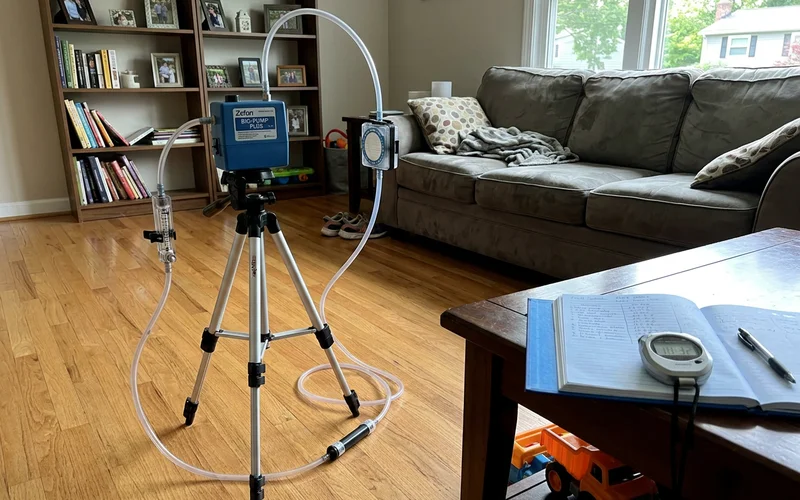
A precisely calibrated pump is used to draw a measured volume of air, typically 15 liters per minute, for 5 to 10 minutes through an Air-O-Cell cassette. This specialized cassette captures airborne particles for detailed laboratory analysis under a microscope.
We always take an outdoor control sample at the exact same time. Indoor counts are only meaningful when compared against the natural outdoor baseline of your specific Canadian neighborhood.
Surface Sampling Techniques
Technicians use tape lifts or specialized sterile swabs to collect samples directly from visible growth. This targeted approach identifies the exact species present at that specific physical location.
Our field teams rely on these direct samples to confirm if a suspicious stain on an estate wall is actually fungal or simply old dirt. Accurate identification helps determine the most effective cleaning agents.
Comprehensive Moisture Mapping
Diagnostic testing is useless if you do not find the water that is feeding the growth. Technicians use penetrating moisture meters and infrared thermal imaging cameras to locate hidden dampness.
We scan walls with thermal imaging to detect temperature anomalies of less than 0.1 degrees Celsius. This precision reveals hidden leaks without breaking any drywall, which is a crucial part of determining whether the final remediation work will actually hold.
Laboratory Turnaround and Results
Independent laboratory turnaround in Canada is typically two to three business days. You receive the final results with a practical interpretation written in plain language.
Our clients never receive a confusing table of raw counts left for them to decipher alone. Certified technicians explain exactly what the numbers mean for the property and outline the exact next steps required.
Conclusion
Managing an inherited property or sorting through a neglected home is stressful enough without worrying about airborne hazards. Recognizing mold exposure symptoms when to test can protect your family’s health and preserve the financial value of the estate.
We recommend taking immediate action if you notice persistent respiratory issues that improve when you leave the building. Contact a certified indoor environmental professional today to schedule an assessment and get the clear answers you need to move forward safely.