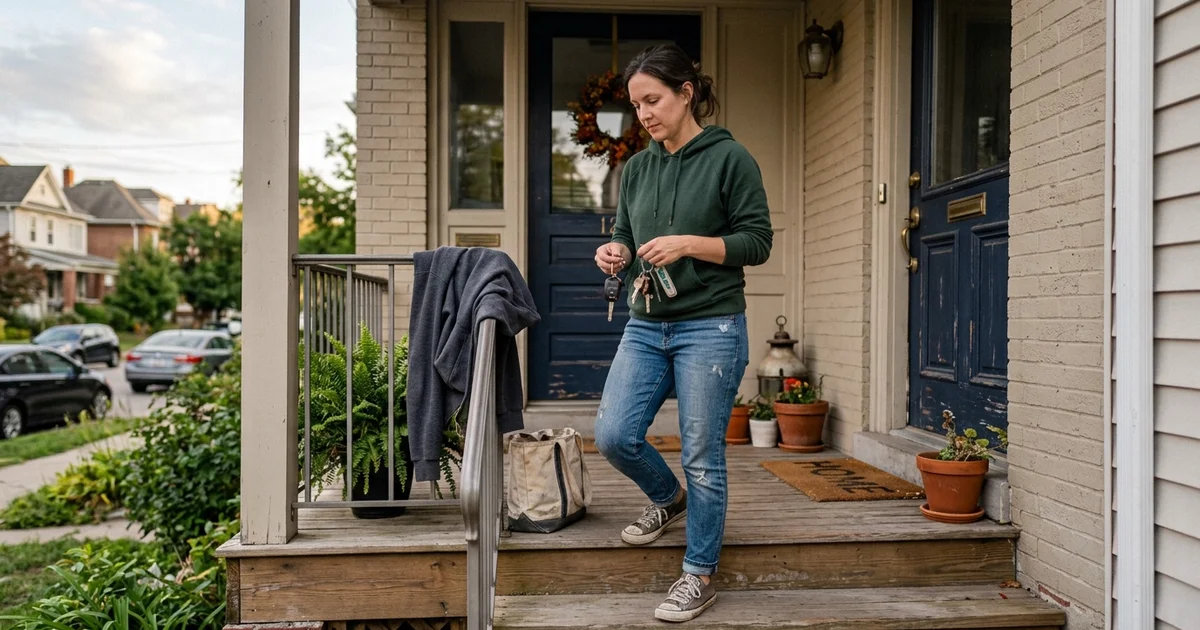
First: You Are Not Expected to Know This
Families managing sudden estate clearances or severe hoarding situations face an immense challenge. You might feel paralyzed by contradictory advice right now. If you are wondering what to do after a death or crime scene at home, there is a specific order of operations to follow.
We see this exact scenario every single day.
There is a clear path forward. This guide will walk you through the practical steps to take next.
Step One: Emergency Services
Call 911 first, always. Police, paramedics, or the coroner will attend. From that moment, the scene belongs to them.
Their process has to complete before anything else happens. Under Canadian provincial laws like the Coroners Act, an unexpected or unattended death instantly becomes an official investigation. You cannot alter the area in any way.
We recommend stepping completely outside the home while they work. To protect the integrity of the scene, remember these rules:
- Do not touch medications: Leave all pill bottles exactly where they are.
- Leave documents alone: Do not gather identification or health cards for responders.
- State the facts clearly: If the death appears to have been unattended for some time, say so on the 911 call.
Over 80% of unattended death scenes require specialized biohazard protocols, and moving items can accidentally spread contaminants or disrupt the official timeline.
If the death appears to have been unattended for some time, say so on the call. It changes who attends and how.
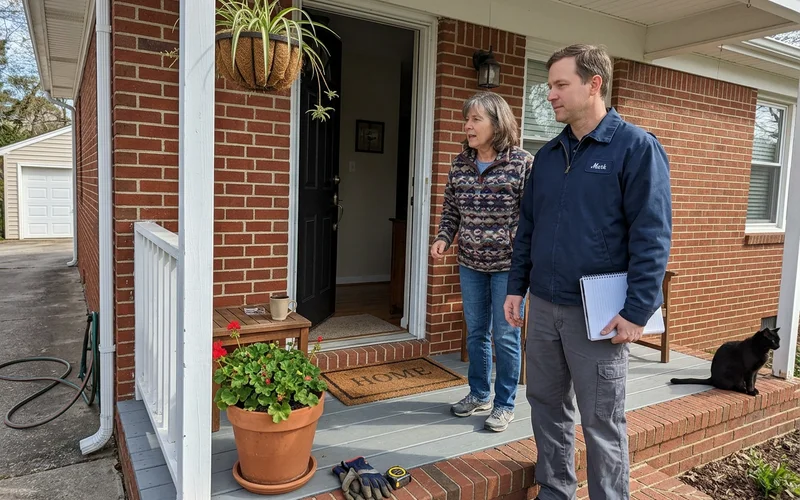
Step Two: Stay Out of the Area
This is the instruction people most often override. Many individuals try to clean the space out of a wish to protect someone else from seeing it.
Please do not do this.
The Invisible Risks of Contamination
Blood and other potentially infectious materials carry serious health risks. According to Health Canada and CDC research, pathogens like Hepatitis C can remain infectious on dry, room-temperature surfaces for up to six weeks. Decomposition also multiplies the bacterial load significantly within the first 48 hours.
We often see well-meaning relatives grab household gloves and store-bought cleaners. Standard household bleach does not deactivate these severe pathogens without exact dwell times and concentration limits. The airborne compounds can also cause severe respiratory distress.
Close the door, keep pets and children away, and leave the area completely alone.
Step Three: Understand That Remediation Is Separate
This surprises many families. Authorities do not clean the property when they release a scene.
Neither do paramedics, the funeral home, or the fire service. The property is returned to the owner or occupant in the exact condition it was in.
That is the point at which a certified remediation company is needed. The industry standard is the IICRC (Institute of Inspection, Cleaning and Restoration Certification). Specifically, technicians need the Trauma and Crime Scene Technician (TCST) designation.
We hold these strict certifications because biohazard disposal requires legal compliance. Proper Certified trauma scene cleaning is a distinct discipline from regular janitorial work. It involves specialized containment equipment, scientific verification methods, and lawful disposal routes regulated by Transport Canada.
You can call before the scene is released
Most families do. We will explain the process, answer questions about cost and insurance, and stage our response so we attend as soon as the property is released rather than a day or two later. There is no obligation in that call.
Step Four: Contact a Certified Remediation Company
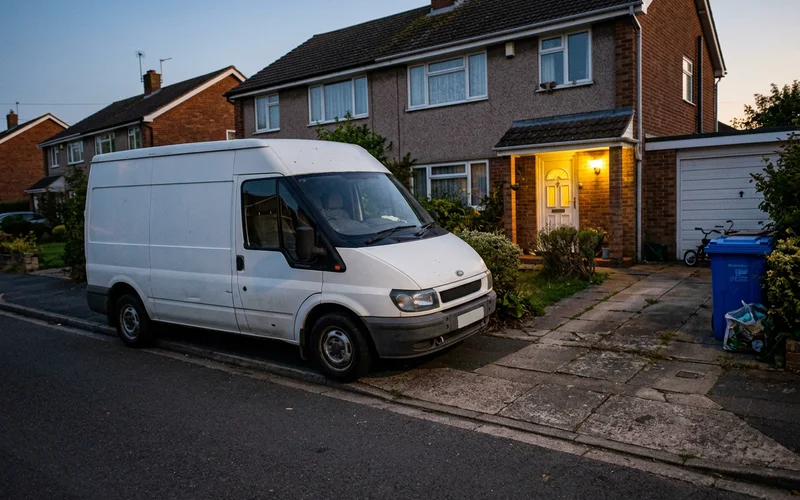
When searching for crime scene cleanup who to call, you need to ask specific questions before hiring anyone. Ask what technical certifications their crew holds, how they verify complete decontamination, and if they arrive in unmarked vehicles.
We will ask you for the address, whether authorities have released the property, and basic situational details. You do not need to describe specifics you would rather not say out loud.
To help you decide, here is a quick breakdown of why a standard cleaning service cannot safely handle this situation:
| Feature | Standard Cleaners | Certified Bio-Recovery Teams |
|---|---|---|
| Certifications | Basic janitorial training | IICRC TCST or ABRA certified |
| Waste Disposal | Standard local landfill | Federally regulated biomedical disposal |
| Chemicals Used | Commercial surface cleaners | EPA/Health Canada registered decontaminants |
Step Five: The Practical Things That Come Later
Handling the logistics takes time, but you do not need to rush every detail immediately. Here are the three main areas to focus on after the first few days:
- Insurance: Trauma remediation is frequently covered under sudden and accidental clauses in home and landlord policies. Our guide on whether insurance covers it goes through what is typically included in Canada.
- Notification: Funeral arrangements, the estate lawyer, the employer, and the landlord or property manager all need a call eventually. None of this is urgent in the first hours.
- Access: You can arrange a key handover with a neighbour, a superintendent, or a lawyer if you would rather not be present. Most families do exactly this to give themselves space.
Many policies have capped limits for bio-recovery, so checking early helps. We bill carriers directly, so this does not have to be resolved before work starts.
What You Do Not Have to Do
You do not have to enter the property again. Sorting belongings while the scene is untreated is not something anyone expects of you.
Explaining the situation to neighbours or media is also completely unnecessary. The immediate future of the property itself can wait for weeks.
One simple phone call transfers the entire burden. Managing the cleanup as a project should not be on your plate.
Support
Taking the right steps after a death at home protects your health and your peace of mind. Trauma affects people unevenly and often much later than expected. The 9-8-8 Suicide Crisis Helpline provides free, immediate 24/7 support across Canada for anyone feeling completely overwhelmed.
Your family doctor can also refer you to specialized grief counselling services in your specific province, and funeral directors serve as another excellent practical source of local guidance. Call emergency services first if you are standing at the door right now.
We answer our phones at any hour once you are ready to take the next step. Please reach out to our team when you need help deciding what to do after a death or crime scene at home, as the conversation is strictly confidential.