The Position You Are In
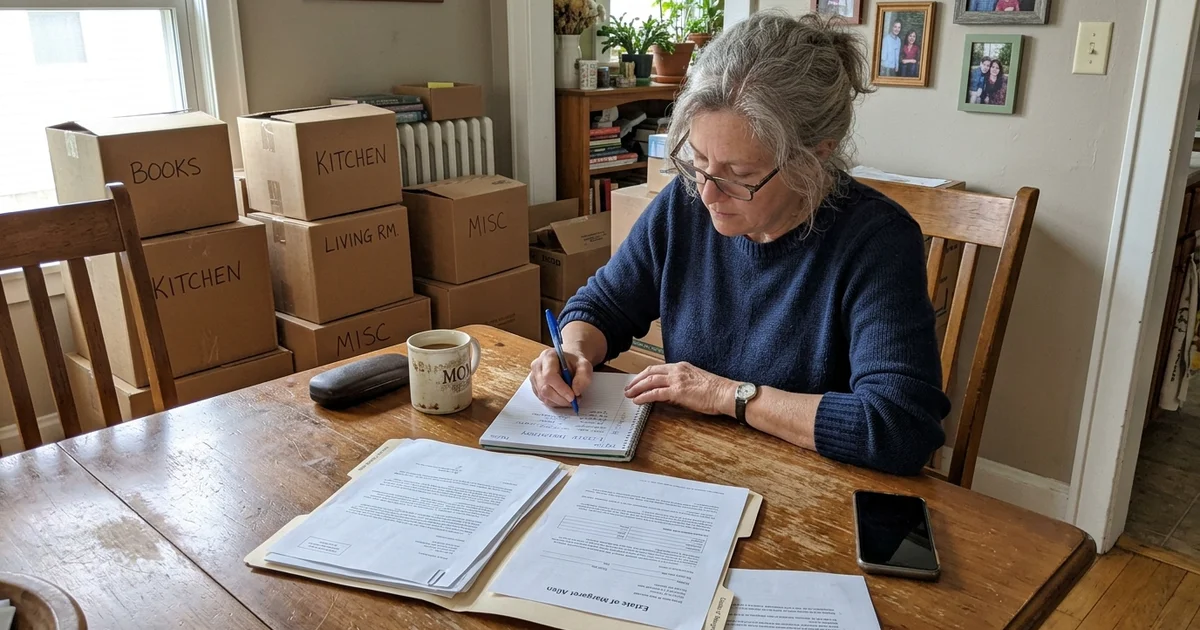
We know exactly how demanding the executor role feels right now. Taking on an executor estate cleanout in Ontario means balancing strict legal duties with intense family emotions.
The practical sequence of clearing a property is the part nobody explains.
Our team regularly sees executors struggling to satisfy lawyers and realtors while grieving their loss. This guide explores the hard data behind insurance risks, 2026 taxation facts, and disposal costs to help you respond effectively.
Step One: Secure the Property
Changing the locks and updating the home insurance policy are your first two mandatory actions. We always advise clients to confirm the insurance is in force and explicitly tell the provider the property is unoccupied. Unoccupied properties present a massive financial risk. Our crews frequently see policies voided because an undeclared vacancy breached the standard rules.
The 30-Day Vacancy Rule in Ontario
Most Canadian policies treat vacancy very strictly, requiring a specific permit if the home sits empty. As of 2026, standard Ontario home insurance policies typically void coverage if a property remains unattended for more than 30 days. Water damage claims from frozen pipes are especially vulnerable. We recommend having someone physically check the home every 48 hours to maintain coverage during the winter months.
This daily or semi-daily check prevents catastrophic leaks from going unnoticed. Our process involves removing obvious valuables to a safety deposit box immediately. Photographing each room before moving a single item protects you against later questions from beneficiaries about what was present. Maintaining the heat and arranging mail redirection round out the immediate security needs.
| Action Item | Timeline | Why It Matters |
|---|---|---|
| Change Locks | Day 1 | Secures assets from unaccounted keys. |
| Notify Insurer | Within 30 Days | Prevents voided policies due to vacancy. |
| Secure Valuables | Week 1 | Protects high-risk items from theft or dispute. |
Step Two: Find the Paperwork
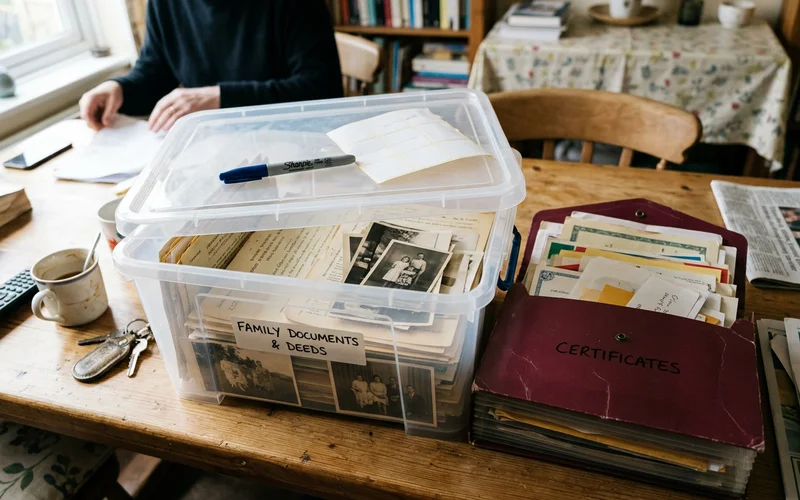
Locating the will, deeds, financial records, and tax documents must happen before a single piece of furniture leaves the house. We prioritize this search because missing financial paperwork severely delays the legal probate process.
Securing the Estate Inventory Checklist
These crucial files turn up in filing cabinets, inside old books, taped under furniture, and even in freezers. The Canada Revenue Agency requires an exact accounting of the deceased’s final taxes, making bank statements and T4 slips incredibly important for 2026 filings. Our estate teams stop all general clearing until this specific retrieval phase is completely finished. Do not let a clearance crew bag anything before this search is done.
A firm doing estate clean-out services properly treats retrieval as a defined, protected phase. We actively look for specific items to ensure nothing valuable gets accidentally discarded. Here is what you need to locate:
- The original will and any codicils
- Property deeds and title documents
- Recent bank statements and investment records
- Life insurance policies and pension details
- Pre-arranged funeral paperwork and safety deposit keys
Step Three: Inventory
An accurate room-by-room inventory supports the probate application, fair distribution, and your personal accounting records. We build this list early to establish a clear baseline of the estate’s total value. Real property, vehicles, financial assets, valuable personal property, and items specifically named in the will all need documentation.
Valuing Assets for 2026 Probate
Photographing items as you go provides undeniable proof of their condition. Using a structured estate inventory checklist prevents you from missing hidden assets. We strongly advise flagging items that warrant a professional appraisal, particularly antiques, art, jewelry, and high-quality furniture. The Ontario Estate Administration Tax for 2026 calculates fees based on this precise total, charging $15 per $1,000 on estate values over $50,000.
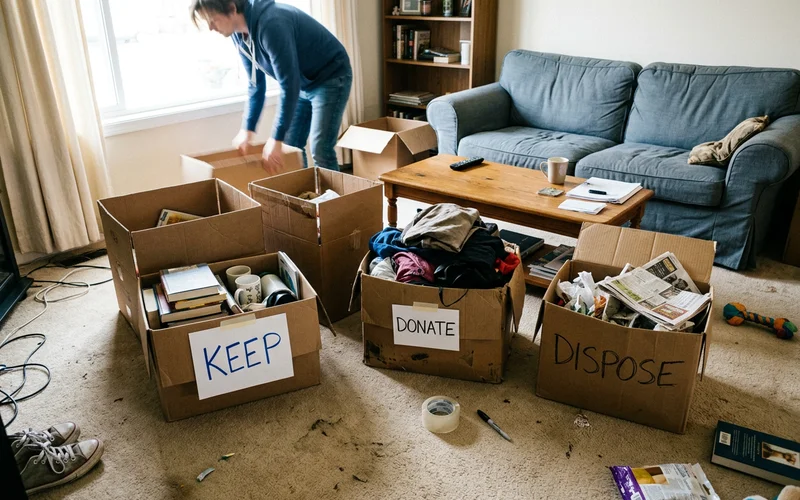
Getting a certified opinion before disposal is far easier than trying to reconstruct value afterwards. Note anything a beneficiary has expressed interest in to prevent later conflicts. Our inventory method categorizes everything into clear groups for keeping, donating, or disposing.
Step Four: Probate and Timing
Ask your lawyer directly and early whether probate is required for your specific situation. We know that the timeline dictates how fast you can legally sell the property. The practical pattern most executors follow is to proceed with obvious disposal, cleaning, and property maintenance while the court processes the paperwork.
Average 2026 Probate Timelines
Many people mistakenly think getting the Certificate of Appointment of Estate Trustee takes only six to eight weeks. Recent data from Ontario courts shows the full estate settlement process actually takes between eight and twelve months in 2026. Our teams handle the physical property maintenance so the house does not sit deteriorating for a year. You should hold items of genuine value securely on site or in storage until your legal authority is confirmed.
Notify beneficiaries before disposing of anything
The complaint that arrives six months later is almost always about an item somebody assumed was theirs. A written notice describing what is being cleared, with a reasonable window to raise claims, prevents most of it. Keep the notice.
Step Five: Distribution and Clearance
Distribute specifically bequeathed items first, and always get a signed acknowledgement in writing. We find that following the exact order established by the will or family agreement minimizes tension. What remains splits into three categories: value recovery, charitable donation, and final disposal.
Offsetting Costs Through Strategic Clearance
Valuable assets can recover a meaningful share of the clear-out cost through formal appraisal, auction, or consignment. Donating furniture and clothing to organizations like Habitat for Humanity ReStore or the Salvation Army in Ontario can generate charitable tax receipts for the estate. The detailed information in our guide on offsetting the cost covers these first two options thoroughly.
We coordinate these donations and appraisals directly to save the executor time. The final disposal phase handles the unsalvageable items that simply need removal.
| Clearance Route | Best Used For | Estate Benefit |
|---|---|---|
| Consignment/Auction | Antiques, art, fine jewelry | Direct cash return to the estate. |
| Charitable Donation | Usable furniture, clothing | Tax receipts offset final estate taxes. |
| Junk Removal | Broken items, general debris | Clears space for real estate listing. |
Step Six: Preparing for Sale
An empty property and a sellable property are two completely different things. We always tell executors that deep cleaning, window washing, and minor repairs cost far less than the negative effect a poor first showing has on buyer offers. A fresh, odor-free house commands a significantly higher appraisal in the 2026 Ontario real estate market.
Extreme Conditions and Odor Treatment
Be prepared for the property to be in worse condition than expected. Where someone lived alone for a long time, hoarding conditions, pest activity, animal waste, or an undiscovered death change the scope of work entirely. Our certified technicians manage these extreme biohazard situations using specific industry protocols. A professional company certified for these exact scenarios can continue the work safely, rather than stopping and forcing you to hire a second specialized contractor.
Odor treatment alone often requires commercial-grade ozone generators to fully neutralize lingering smells. We ensure the property meets all real estate showing standards before listing. Buyers expect a pristine environment, and professional cleaning guarantees that result.
Managing the Family Side
Working in defined stages and setting firm deadlines are the best ways to manage family disagreements over possessions. We see crews standing idle while relatives debate a china cabinet, which is a very expensive way to have that conversation. Sorting through a lifetime of items inevitably brings tension into the open.
Communication Strategies for Executors
Clear what nobody has claimed while contested items are safely held aside. Setting a strict decision deadline for specific items, communicated clearly in writing, ensures the process does not stall indefinitely. Our project managers encourage open communication, but strict boundaries are essential.
If the situation becomes genuinely contentious, hiring an estate lawyer or a professional mediator resolves it faster and more cheaply than months of bitter stalemate. Here are proven ways to reduce family friction:
- Communicate all deadlines in writing.
- Share photographs of lower-value items for transparency.
- Use a neutral third party for appraisals.
- Hold contested items in a separate, secure storage space.
If You Live Out of Town
Coordinating access with a local proxy like a lawyer or realtor is the most effective way to manage a property clearance from out of province. We handle a large volume of estate work for executors managing an Ontario-area property from a distance. You do not need to fly in and use your vacation days to supervise a disposal bin.
Remote Executor Coordination
Securing a local lockbox and providing daily photo updates keeps the project moving smoothly. We provide detailed written reports as the clearance progresses to ensure full transparency. This regular communication gives you complete peace of mind from afar. Once the job concludes, handing over a documented completion record provides proof for your estate files.
Our goal is to make every executor estate cleanout in Ontario as stress-free as possible. Contact your realtor to schedule a property walk-through today, and let the professionals handle the heavy lifting.