
Start With Realistic Expectations
Families often discover that years of accumulation rarely translate into the financial windfall they expect. We observe this directly when assessing properties, because most modern household contents simply do not hold their retail value. Applying an estate liquidation donation offset cleanout cost framework is the most practical way to handle this reality.
Mass-produced furniture from the last thirty years, general kitchenware, and outdated electronics usually cost more in labor to sell than they return in profit. Our primary goal is to reduce your total invoice by diverting these items efficiently.
That goal is achieved through three specific mechanisms: value recovery, strategic donation, and disposal reduction. We rely on these exact pillars when scoping estate clean-outs.
Getting these categories right is the entire secret to keeping your expenses manageable.
What Usually Does Have Value
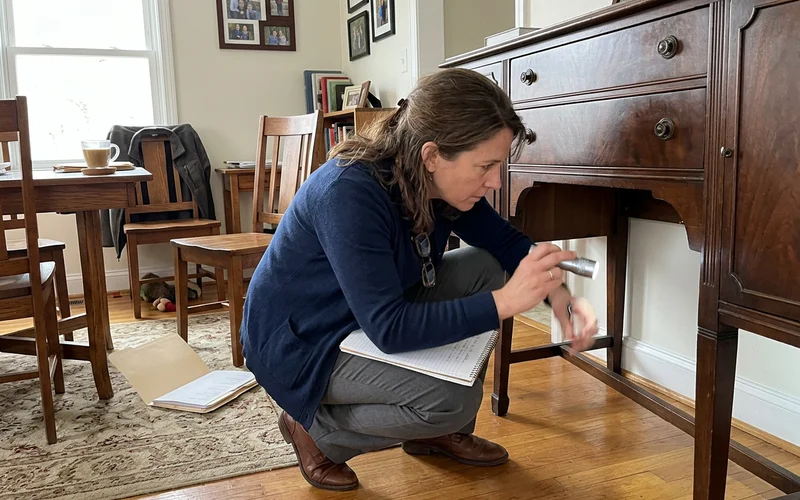
Genuine antiques, precious metals, and specialized collections are the items that reliably retain market value. We consistently look for solid-wood period furniture with documented provenance, alongside scrap gold and silver jewelry.
Original art pieces and limited-edition prints frequently justify the effort of a formal appraisal. Our team routinely identifies hidden value in deliberate collections, such as rare coins, stamps, militaria, and vintage vinyl records.
Certain categories require specific expertise or legal handling in Canada:
- Professional-Grade Tools: Name brands like Makita, Milwaukee, and DeWalt retain strong value in any estate auction ontario collectors monitor.
- Luxury Accessories: Authenticated designer handbags and vintage mechanical watches remain highly liquid assets.
- Regulated Firearms: Non-restricted rifles can be transferred, but handguns face severe restrictions under the Canadian government’s 2022 freeze.
We help executors comply with these strict firearms rules using RCMP Form 6016. Filing this Declaration of Authority allows an executor to legally secure the items while the estate is settled.
What Usually Does Not
Standard household goods, fast fashion, and obsolete technology rarely generate enough interest to justify the labor of selling them. We routinely advise clients to skip selling mass-market furniture, older televisions, and basic desktop computers.
The secondary market is completely flooded with used appliances, general kitchenware, and standard books. Our experience shows that unless clothing is a verifiable designer or vintage piece, it holds almost zero resale value.
Heavy, particle-board furniture from retail stores actually represents a liability rather than an asset. We factor in municipal disposal fees for these bulky items, which easily cost $150 to $300 per truckload in Ontario.
The Hidden Cost of “Brown Furniture”
Large, dark-wood dining sets from the mid-20th century are notoriously difficult to sell in 2026. Younger buyers generally lack the space or preference for these heavy pieces, making donation or sensible disposal the most practical route.
There are rare exceptions, and a qualified appraiser knows exactly what to look for. Our goal is to focus your energy only on the specific assets that provide a tangible return.
Route One: Auction and Consignment
Liquidating higher-value items happens through online auctions, estate sales, consignment shops, or direct dealer buyouts. We use different sales channels depending on the specific items and your required timeline.
Selecting the right venue dictates how much revenue returns to the estate. Our preferred methods for recovering value include platforms that maximize local and national reach.
Here is a breakdown of the most common sales avenues available today:
| Sales Channel | Best Suited For | Typical Canadian Rates | Timeline |
|---|---|---|---|
| Online Estate Auction | Collectibles, tools, varied household lots | 15% to 35% seller commission | 2 to 4 weeks |
| Retail Consignment | Mid-to-high value decorative furniture | 40% to 50% retained by the shop | 1 to 6 months |
| Direct Dealer Sale | Bulk lots, niche collections, urgent clearing | Lowest payout (wholesale pricing) | 1 to 3 days |
We often recommend online auctions for specialized enthusiast markets. Platforms like MaxSold reach bidders across the province, which is critical for unique niche items.
Our team uses traditional estate auctions when clearing massive volumes quickly is more important than maximizing the price of every single dish. Consignment offers higher potential prices for quality furniture, but the pieces must sit in a showroom until a buyer appears.
Route Two: Donation
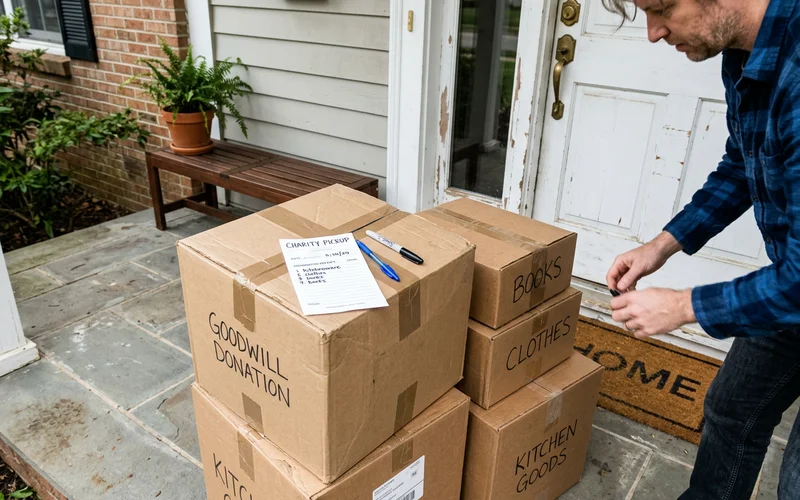
Donating usable goods removes bulk from the property while potentially generating a helpful donation tax receipt estate accountants can use. We use charitable donations to drastically lower your total waste removal costs. Every single box given to a local charity is a box you do not pay labor and landfill fees to dispose of.
Our teams coordinate with registered organizations across Ontario to maximize this waste diversion. The Canada Revenue Agency dictates strict rules for these in-kind donations.
We remind executors that official tax receipts over $20 require an accurate assessment of fair market value. This valuation must reflect what the item would sell for in an open market today, not its original retail price. Our process targets specific charities based on their current acceptance criteria:
- Habitat for Humanity ReStore: Excellent for building materials, working appliances, and solid furniture.
- Furniture Banks: Ideal for gently used sofas, dining tables, and beds to support local families in transition.
- Local Thrift Stores: Good for clothing and small housewares, though they rarely issue formal tax receipts.
You should always confirm the tax benefits with the estate accountant before making large donations. We provide the documentation, but an official receipt is only useful if the estate owes taxes that can be offset.
The disposal reduction people overlook
Clear-out pricing scales with volume. Every item routed to donation or sale is an item not paid for twice: once in labour and once in disposal. Even where a donation produces no usable receipt, diverting volume lowers the invoice.
Route Three: Sensible Disposal
Sensible disposal separates recyclable metals and hazardous materials from general landfill waste. We sort out old electronics, appliances, and scrap metal to minimize environmental impact and lower disposal fees.
Handling different waste streams requires specific drop-off strategies across the province:
- Scrap Metal and E-Waste: Appliances and outdated electronics can often be recycled, sometimes yielding a small return for raw copper or steel.
- Household Hazardous Waste (HHW): Old paint, solvents, and chemicals must go to designated municipal HHW depots to protect local groundwater.
- Contaminated Goods: Items affected by pests, mold, or biohazards bypass all donation centers and go directly to general waste.
Our crews utilize provincial initiatives like Ontario’s Product Care Recycling program to safely clear out overflowing basement paint shelves. Taking advantage of these free drop-off points prevents steep commercial dumping penalties.
We strictly isolate contaminated items ruined by pests, biohazards, or severe water damage. These compromised goods must go straight to the landfill, regardless of what they originally cost.
How We Handle It: Estate Liquidation Donation Offset Cleanout Cost
Our process transparently routes every item to its most cost-effective destination, whether that is auction, charity, or the landfill. During the initial sorting phase, trained staff flag anything that warrants a professional appraisal. We coordinate the charity collections on your behalf and secure the official tax receipts. Saleable items are quickly sent to local auctions or consignment shops, with the proceeds returning directly to the estate.
Our team tells you the honest truth when an item is simply not worth the effort to sell. Inflating your expectations about a dated dining set helps absolutely nobody in the long run. We cover exactly where this sorting phase fits into the broader timeline in our guide on the executor’s sequence. At the final assessment, you will see a net estimated cost that proves the value of a comprehensive estate liquidation donation offset cleanout cost strategy.
Our goal is to leave you with a completely clear property and absolute peace of mind.
Call us today to schedule your initial site assessment.