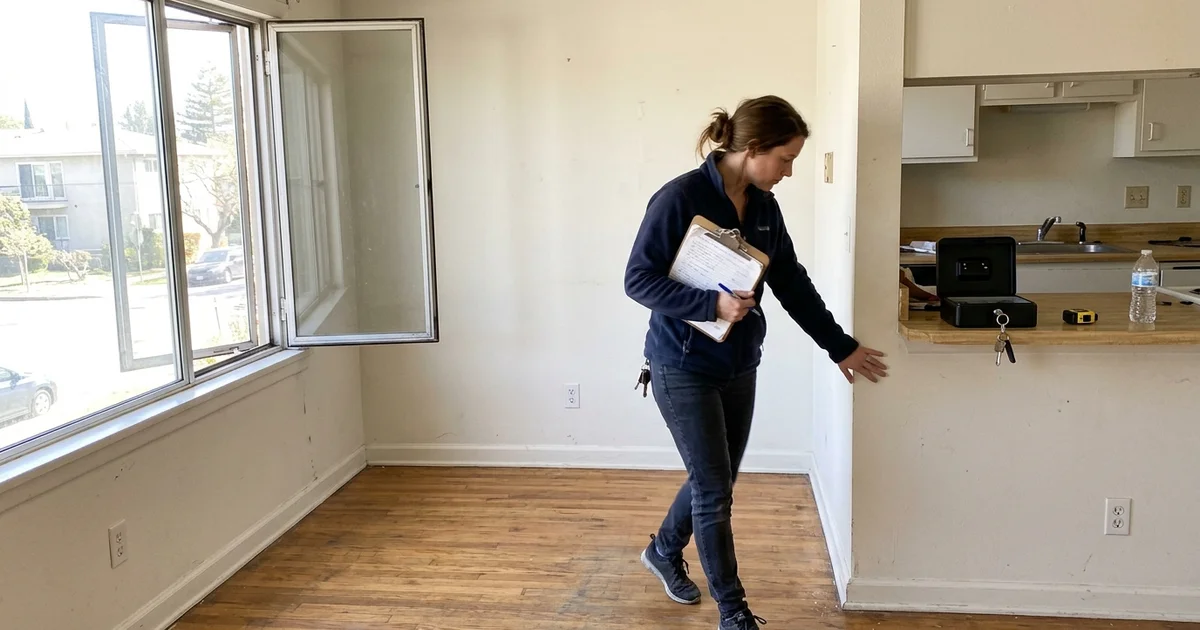
You know the feeling when you open the door to a compromised unit or estate.
When facing a landlord eviction gross filth cleanout in Hamilton, property managers know that the situation instantly shifts from a routine turnover to a major liability. The scale of the mess can freeze a property’s cash flow in its tracks.
Our team has seen this scenario play out countless times across the region. The real challenge isn’t just the mess, but managing the strict disposal laws and legal timelines that follow.
When faced with an extreme situation, securing proper gross-filth cleanup and biohazard and sharps removal is about protecting your asset and your compliance. Let’s break down the actual risks, the specific regulatory steps required, and how to get your property back on the market safely.
Why Your Usual Cleaner Said No
If your regular crew walked away from a contaminated unit, the reason is almost certainly strict licensing rather than squeamishness. They cannot legally transport biological waste under Ontario Regulation 347. We find that many property managers are unaware of the severe penalties involved here.
Fines for illegal dumping under the Environmental Protection Act can reach up to $50,000 per day for an individual. This makes improper disposal a massive financial risk. Our technicians operate with the specific certifications required to handle these hazards lawfully.
Needles and sharps fall under entirely different regulatory channels than household junk. A general cleaning service simply lacks the necessary credentials to process this material. Hiring an uncertified crew for this work directly breaches their insurance and exposes you to liability. If you are still weighing whether a unit has crossed that threshold, the clutter image scale explains which levels need a certified crew.
What a standard junk removal crew legally lacks for these jobs:
- WSIB coverage specific to biological hazards and pathogens
- Legal manifests to transport material contaminated with human waste
- Certification to safely handle and transport discarded needles
Documentation Is Half the Value
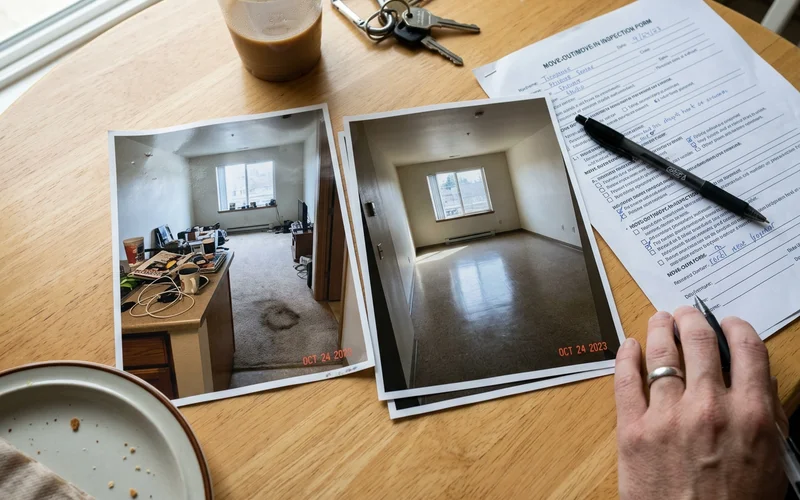
The physical clearance is only a fraction of what you need from this process. A standard ltb unit turnover cleanup might rely on basic photos, but a biohazard situation demands an airtight evidentiary record that holds up in legal proceedings. We rely on condition documentation created before any disturbance to build the foundation of every claim.
As of early 2026, Ontario landlords report average wait times of three to six months for standard LTB hearings, and six to nine months for fault-based evictions. A single missing photograph can send your Form N5 or L2 application straight to the back of that long queue. Our standard protocol produces dated, wide-angle photographs of every affected room before a single item moves.
This package also includes a detailed written scope, disposal manifests, and final completion images. It protects your position if a tenant later disputes the unit’s condition or if bylaw officers question your property standards compliance.
The single most valuable two minutes
Photograph the unit before anyone enters to assess, including your own staff. Condition documentation created before disturbance is the foundation of every claim and every board matter that follows it. Wide shots of each room first, then detail.
Sequence and Timeline: Landlord Eviction Gross Filth Cleanout Hamilton
Most contaminated properties return to a rentable condition within two to four days. This fast turnaround requires a very specific, phased approach to safety and remediation. We begin every project by establishing clear zones and assessing the structural impact.
Getting the sequence wrong is exactly how secondary contamination happens or technicians get injured.
Assessment and Scope
Usually completed the same day or next day, this step identifies the exact type of contamination present. We look for hidden sharps risks, active pest infestations, and determine if porous materials like drywall require removal. This initial walkthrough generates a firm written scope and a realistic completion timeline.
Sharps Recovery and Containment
Technicians must carefully recover needles before any bulk clearance begins. Moving heavy furniture around unrecovered sharps is a primary cause of workplace injuries.
Our crews immediately establish negative pressure containment using commercial HEPA air scrubbers. These machines capture 99.97 percent of airborne particulates down to 0.3 microns, preventing cross-contamination to other areas of the building.
Clearance and Biohazard Remediation
Once we neutralize the hazards, crews execute room-by-room removal in full personal protective equipment. We remove ruined carpets, soaked underlay, and affected baseboards.
The team then HEPA-vacuums the subfloor and applies Health Canada approved hospital-grade disinfectants. Products like Benefect Decon 30 require a specific dwell time to properly kill pathogens before technicians seal the area to block residual odours.
Final Deep Clean and Odour Treatment
The final phase addresses the cosmetic and atmospheric restoration of the unit. We sanitize kitchen cabinets, bathroom fixtures, and all interior surfaces. If persistent smells linger after the source material is gone, specialized hydroxyl generators or ozone treatments finish the job.
Tenant Hoarding While the Tenancy Is Live
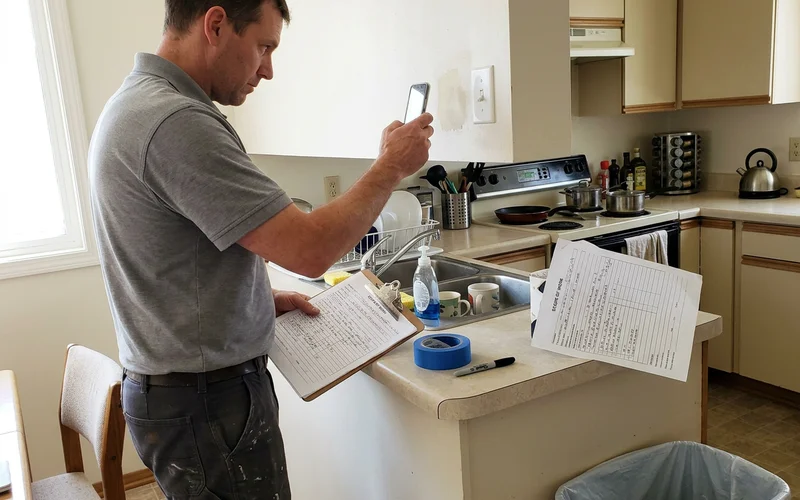
For any tenant hoarding cleanup, landlord responsibilities dictate a completely different strategy than a standard post-eviction turnover. Hoarding disorder often qualifies as a disability under the Ontario Human Rights Code, triggering a legal duty to accommodate the tenant. We see landlords make the costly mistake of moving straight to a termination notice.
This aggressive tactic is frequently slower and less likely to succeed at the LTB than a carefully documented, staged approach. Our experience shows that raising specific safety violations works much better than complaining about general untidiness. Focus your communications on clear hazards, such as blocked egress routes which violate Section 2.4 of the Ontario Fire Code.
Documenting every single communication and offering a reasonable timeline for remediation builds a much stronger case. What tends to fail are surprise inspections framed as enforcement or sudden ultimatums.
Describing the situation in terms the board might view as discriminatory will instantly derail your application. If escalation becomes necessary, your documented history of offering support and accommodation materially strengthens your legal position.
| Strategy | Outcome at the LTB |
|---|---|
| Citing specific Fire Code (Section 2.4) violations | Highly effective, establishes clear safety risks |
| Complaining about cosmetic untidiness | Often dismissed, viewed as subjective or discriminatory |
| Offering a documented timeline for remediation | Demonstrates required duty to accommodate |
| Issuing surprise inspections and ultimatums | Frequently penalized by adjudicators |
Insurance and Cost Recovery
Recovering the costs of a contaminated unit cleanout depends entirely on the source of the damage and your specific policy language. Some extreme cleanup costs are indeed insurable under specific circumstances.
Common triggers for insurance coverage include:
- Vandalism or intentional destruction by the tenant
- A covered water loss that led to secondary damage
- Police-documented criminal activity within the unit
We always advise property owners to speak directly with their broker about these specific triggers. Standard gradual damage clauses typically exclude ordinary deterioration caused by a tenant over time.
Hoarding cleanup in Ontario currently averages anywhere from $1,500 for moderate clutter to over $25,000 for severe biohazard situations. Our assessment process provides a firm, written number upfront so you can make an informed financial decision.
When coverage does apply, we can bill your insurance carrier directly to simplify the process. For recovery attempts against a former tenant, a detailed scope of work backed by disposal records is non-negotiable.
This level of documentation transforms an arguable claim into an undeniable one. Even if collecting from the tenant seems unlikely, having the paperwork ready costs nothing extra and permanently takes the question off the table.
Multi-Unit Buildings
Handling gross filth in an apartment or condo requires addressing the risks to neighboring units immediately. Contamination and foul odours quickly migrate through shared wall cavities, plumbing chases, and common ventilation systems. We contain the affected unit under negative pressure right away, rather than waiting for other tenants to complain.
This proactive approach is essential for maintaining your compliance with local regulations. The City of Hamilton Property Standards By-law 10-221 strictly requires landlords to keep all dwellings completely free of pests.
Failing to contain a hoarding situation can lead to:
- Municipal fines for by-law violations
- Widespread tenant disputes and rent withholding
- Costly, building-wide pest extermination treatments
Discretion is also a critical factor in protecting your building’s reputation. Our teams utilize unmarked vehicles and service-entrance access to keep the operation out of the public eye. Crews are trained to never discuss the details of a job in the corridors or elevators.
Managing a landlord eviction gross filth cleanout Hamilton style does not have to be a permanent setback.
Call us with the specifics of your situation, and an estimator can usually assess the property that same day.