Handling an estate clearance for a loved one is stressful enough without battling a house that reeks of stale smoke. You know how quickly a potential buyer or renter will turn around when they catch that distinct odour at the front door.
Our team handles these overwhelming hoarding and estate situations constantly. Figuring out how to get rid of cigarette smell in house environments requires more than just opening windows. The residue left behind is a complex chemical issue that demands a specific approach.
We will explore the data behind why this smell sticks around and outline a step-by-step plan to eliminate it for good.
Why It Is So Hard to Remove
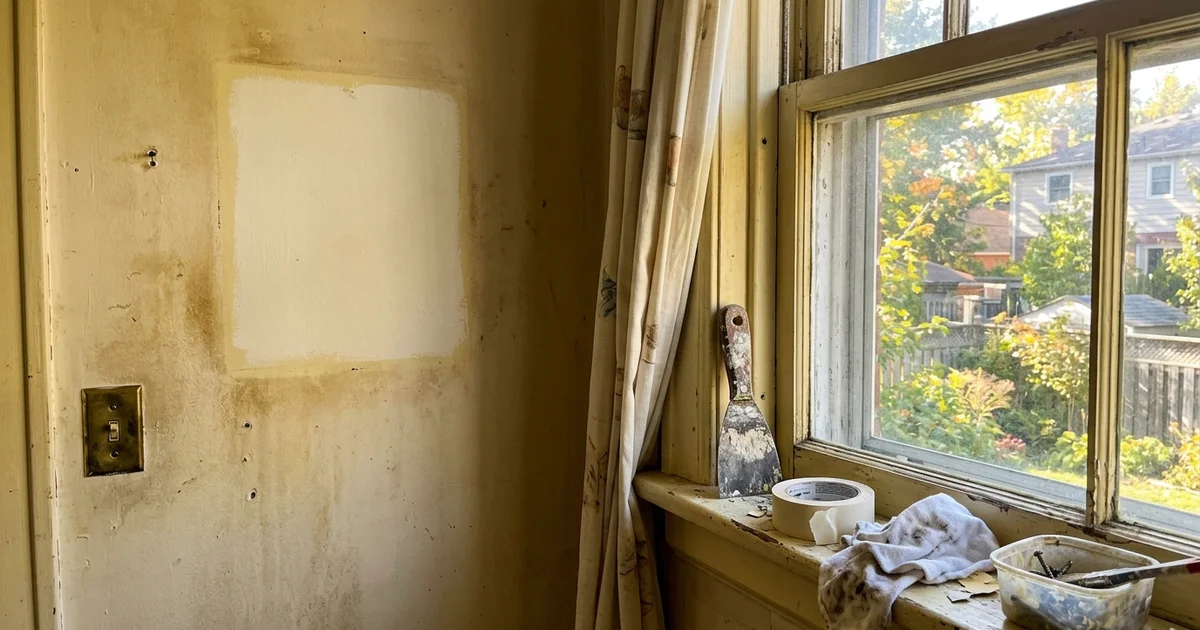
Removing this odour is difficult because tobacco smoke creates a sticky, toxic film called thirdhand smoke that binds tightly to every household surface. This tar and nicotine residue actively penetrates drywall, carpets, and wood, releasing volatile compounds for years.
We see families completely baffled when an estate property smells fine in winter but reeks during a humid summer. The culprit is the temperature-responsive nature of thirdhand smoke. Humid conditions cause the embedded chemicals to extract and off-gas much more heavily.
Three specific properties make this smoke residue incredibly stubborn:
- It is highly adhesive: The tar bonds directly to painted walls, trim, and cabinetry rather than sitting loosely on top of them.
- It is deeply absorptive: The compounds penetrate right through carpet backing and into soft furnishings.
- It is climate reactive: Volatile organic compounds reactivate and expand with heat and moisture.
Our technicians always explain that ordinary surface cleaning only tackles the absolute top layer of this grime. The absorbed portion remains untouched inside the porous materials of the house. That deep-seated contamination is the exact issue professional odour removal is built to solve, making thirdhand smoke removal a highly specialized task.
What Does Not Work
Standard household cleaning methods fail because they do not neutralize or block the chemical source of the odour. Covering up the smell or applying standard water-based paints will only waste your time and budget.
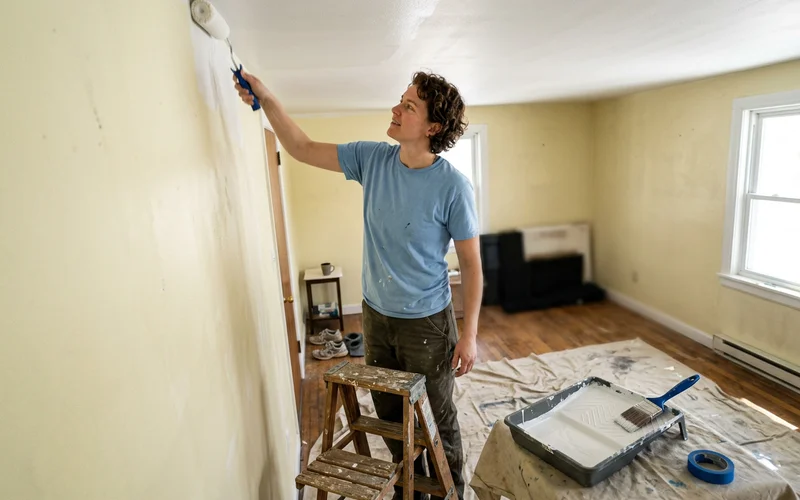
We constantly see executors try quick fixes that often make the situation worse. A standard coat of latex paint over tar residue simply does not block the off-gassing. The toxic compounds easily pass through water-based products, and the yellow tar frequently bleeds right back through as staining within months.
Our team wants you to avoid these common and ineffective approaches:
- Air fresheners and plug-ins: They merely add a synthetic scent to the toxic odour, creating a nauseating combination while leaving the underlying source unchanged.
- Surface washing alone: Washing is a vital first step, but it completely fails to reach the residue absorbed deep into porous materials or hidden inside the HVAC system.
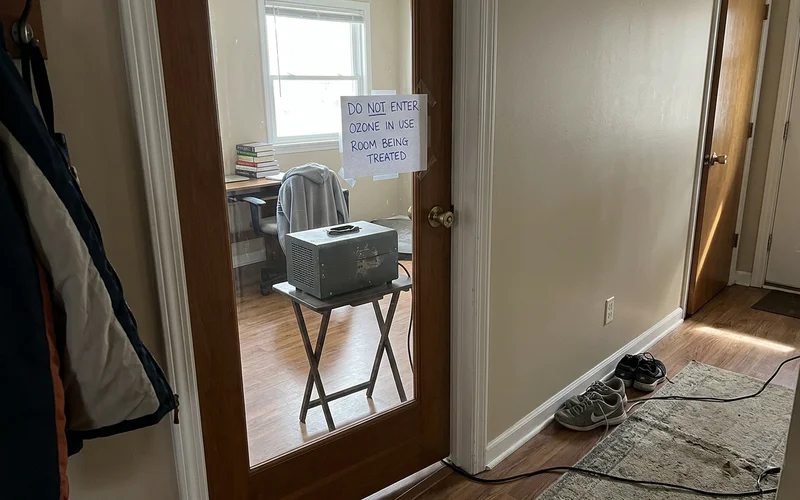
- Consumer ozone units: These small machines lack the power for a whole-property tobacco job and are incredibly unsafe when run in occupied spaces.
- Ignoring the ductwork: The HVAC system traps massive amounts of tar, meaning your furnace will redistribute thirdhand smoke every time it kicks on.
What Actually Works
What actually works is a strict, multi-step process that physically removes saturated materials, degreases surfaces, and permanently seals the remaining porous structures. Only commercial-grade sealers and oxidative treatments can truly eliminate the lingering volatile compounds.
We follow a rigorous protocol to guarantee the property is safe and odor-free. The first step is ruthlessly removing anything saturated, like old carpet, thick underlay, and heavy drapes, because they are usually beyond recovery. Discarding these heavily soiled items eliminates a massive fraction of the total nicotine residue in one afternoon.
Our crew then moves on to chemically clean every remaining hard surface in the home. You must use heavy-duty degreasing cleaners rather than general-purpose sprays because tobacco residue is essentially a sticky oil. Focus your initial cleaning efforts on these specific targets:
- Walls, ceilings, and baseboards.
- Interior and exterior cabinetry.
- Light fixtures and window frames.
We strongly recommend sealing the cleaned surfaces with a premium shellac-based product, like Zinsser B-I-N primer. Shellac is an alcohol-based coating that dries to form a dense, non-porous film to permanently lock in the odour and stains. This specific step distinguishes a durable, permanent result from a temporary fix, yet it is the step most often skipped.
Our final physical phase addresses the hidden spaces and airborne compounds. You have to replace all filters, treat the air handler, and schedule a professional NADCA-certified duct cleaning.
Treating the Remaining Airborne Odours
To finish the job, oxidative technology destroys whatever airborne compounds remain after the physical source material is gone. High-capacity ozone generators work incredibly well in vacated properties to break down molecular odours.
We use hydroxyl generators as a safer alternative if the house must remain occupied during the clearance. These machines use UV light and titanium dioxide to neutralize odors without harming people or pets.
| Treatment Type | Best Used For | Safety Profile |
|---|---|---|
| Ozone Generator | Empty, vacated properties | Unsafe for humans and pets during use |
| Hydroxyl Generator | Occupied homes or sensitive areas | Safe to run while occupants are present |
Sequence Matters
The order of your cleaning efforts matters because running an expensive odor-removal machine before discarding the saturated carpets is a complete waste of money. You must remove the source materials before attempting to treat the air.
We always tell clients that the sequence is strictly: remove, clean, seal, treat ductwork, and then oxidise. Running an ozone treatment while tar-soaked flooring is still off-gassing means the source will just continue releasing new toxic compounds. Any contractor proposing to start the job with a machine to remove tobacco smell is simply selling you expensive equipment hours rather than a guaranteed result.
Our guide on comparing treatment methods explains exactly which oxidative approach suits different property situations.
Before a sale, specifically
Tobacco odour is one of the first things a buyer registers and one of the hardest objections to overcome, because it signals to them that everything in the property needs replacing. Agents will tell you it moves offers materially. Treating it is almost always the cheaper option.
For Landlords
For landlords turning over a unit after a long-term smoker, you must document the extensive damage immediately and prepare for material replacements. The Ontario Landlord and Tenant Board recognizes severe smoke residue as damage, not just normal wear and tear.
We regularly handle unit turnovers after a long-term smoking tenancy, and the practical sequence of cleaning remains exactly the same. The major difference is the required administrative work, so you must document the condition thoroughly with photos before any remediation starts. Expect that the carpet, the underlay, and all window blinds are consumable items rather than salvageable assets.
Our advice is to keep a detailed, written record of every professional remediation step you take. A full interior repaint and deep clean can easily cost between $3,000 and $5,000 in Canada. You will want to document specific expenses like:
- Professional heavy-duty degreasing.
- Application of shellac-based sealers.
- Complete HVAC filter replacements.
Having those invoices and photos supports any claim against a tenant deposit or an LTB Form N5 application regarding unit condition.
What It Takes: How to Get Rid of Cigarette Smell in House
A full, whole-property tobacco remediation typically requires three to five solid days of labor to complete the removal, cleaning, sealing, and oxidative phases. Single rooms can be processed much faster depending on the severity of the thirdhand smoke.
We always perform a thorough assessment first to give you a realistic timeline and budget. A complete estate clearance requires careful scheduling to coordinate the degreasing, the shellac application, and the final HVAC treatment. Sometimes, the issue is highly localized, and we will honestly tell you if just sealing a single bedroom and cleaning the ducts will resolve it.
Our goal is to take the burden off your shoulders during a difficult transition. Give us a call, and we can outline exactly how to get rid of cigarette smell in house environments so your specific property becomes fresh, safe, and ready for the market.