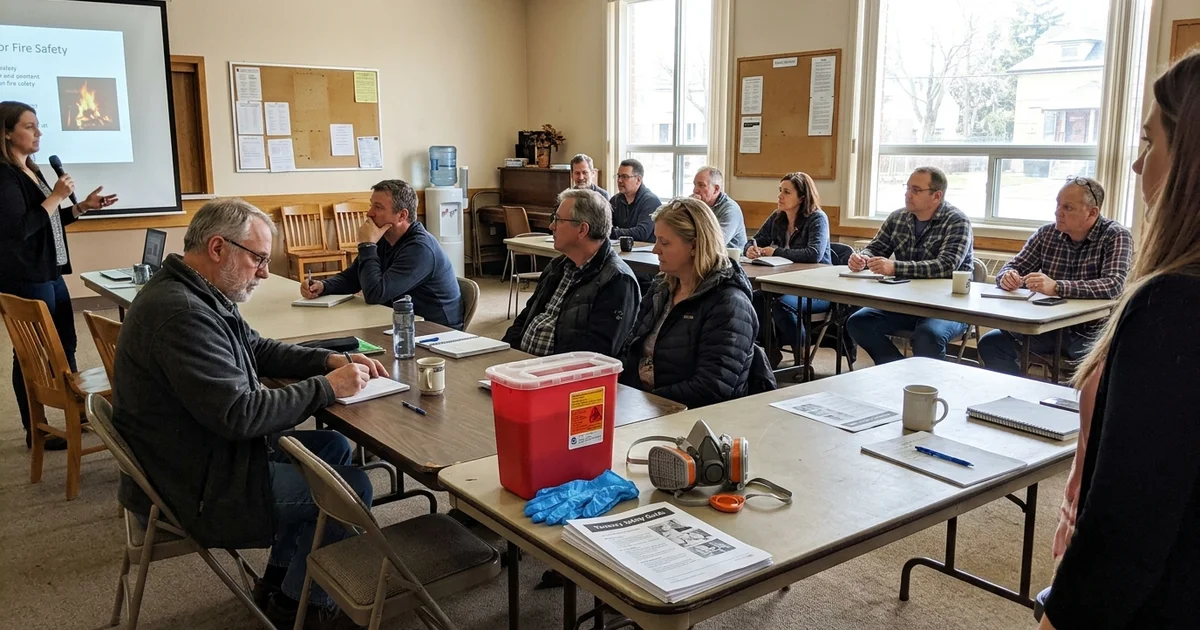
We are running a free clinic for Hamilton-area landlords, property managers, and building owners on Wednesday, October 8, 2026, covering how to handle gross-filth, biohazard, and eviction turnovers safely, legally, and within the timelines that actually matter to your business.
It runs about ninety minutes. There is no sales presentation at the end, and attendance is free.
Why We Are Running It
Roughly a third of our calls now come from property managers, and the pattern in those calls is consistent. By the time we are contacted, a unit has usually sat for weeks, two other companies have declined it, and something has been disturbed that should not have been.
None of that is the landlord’s fault. There is no obvious place to learn what a landlord is and is not permitted to handle in a unit containing sharps, animal waste, or contamination, or what documentation stands up at the Landlord and Tenant Board. So we are covering it.
What We Will Cover
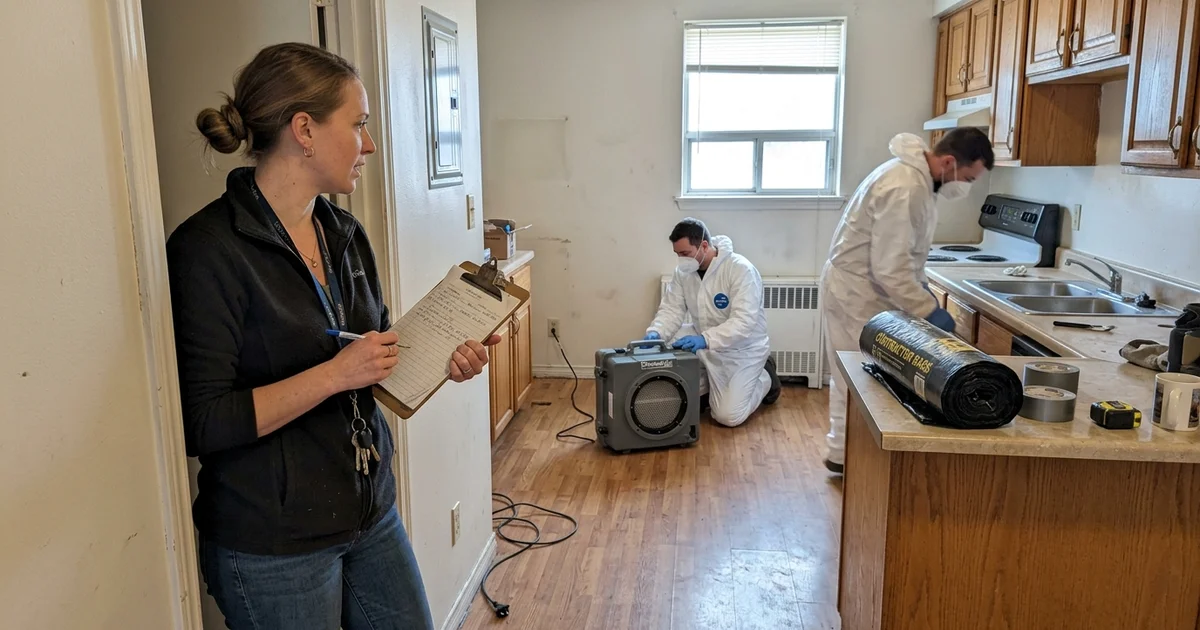
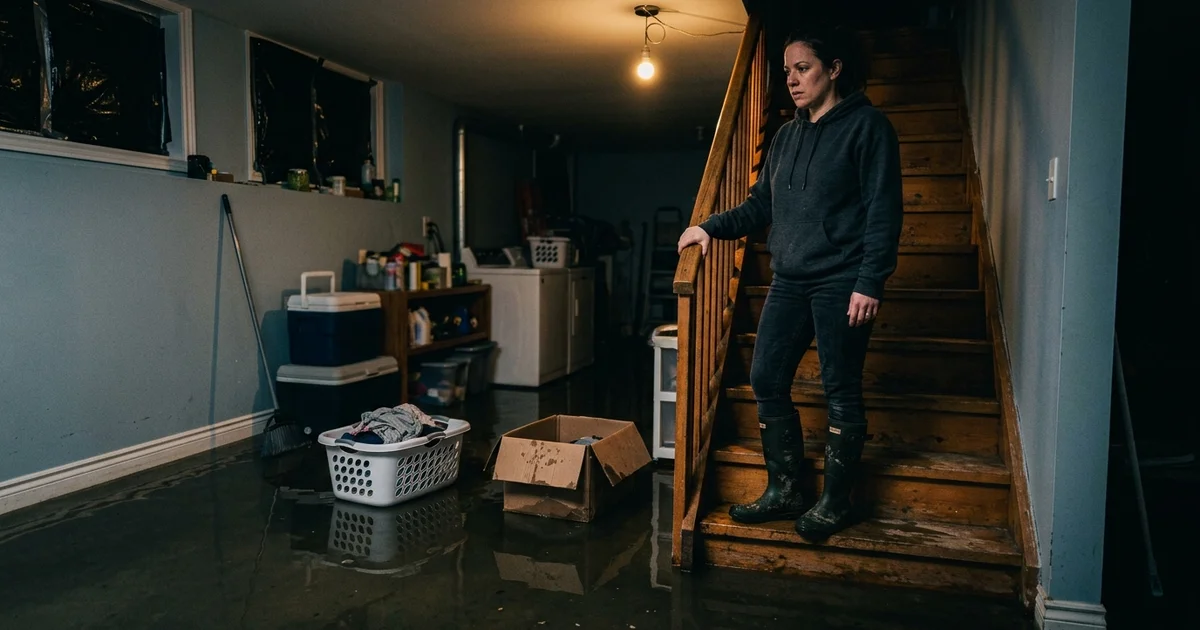
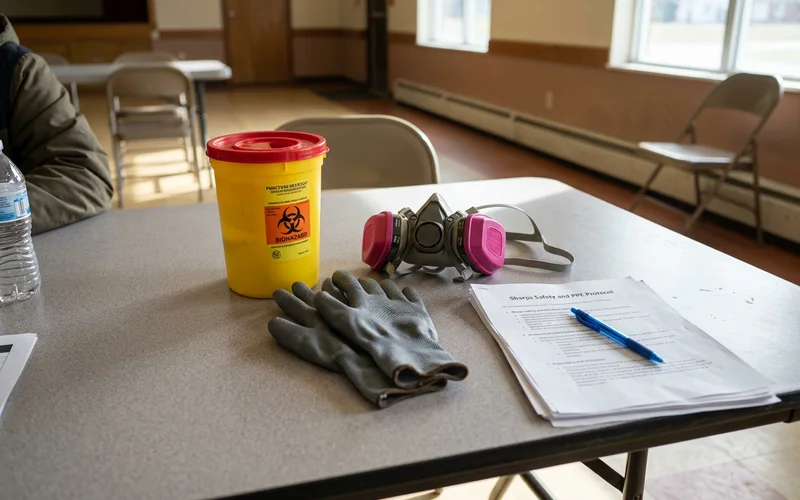
Recognising when a unit is a biohazard, not a mess. Where the practical line sits between a heavy clean and regulated remediation, and why sharps, animal waste, and decomposition all move a unit across it immediately.
What you can and cannot legally handle. Biohazard waste disposal is regulated under Ontario Regulation 347. Knowing what your own staff can lawfully do protects them and protects you.
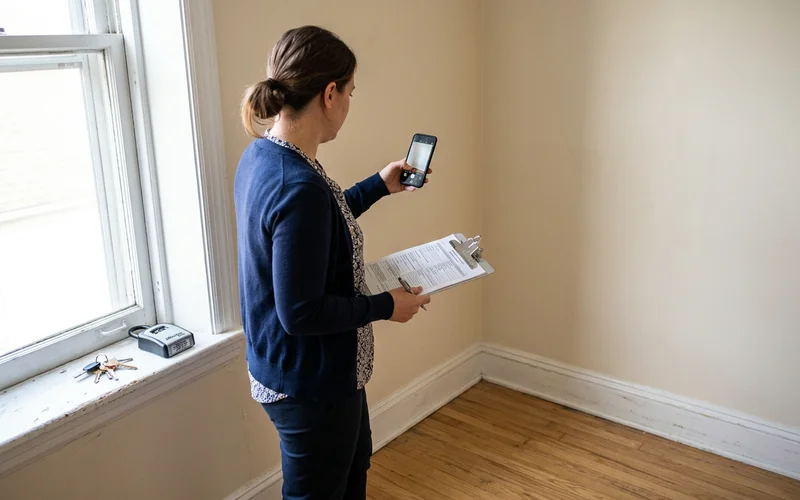
Documentation that holds up. What to photograph, when, and how to write a condition record that supports an insurance claim and an LTB matter. This is the section most attendees tell us afterwards was worth the trip on its own.
Sharps: recovery and prevention. How needles are safely recovered, what a sharps manifest is, and what access-control changes actually reduce recurrence in a building.
Tenant hoarding before it becomes a turnover. Hoarding is a recognised mental-health condition and carries human rights implications in a tenancy. We will cover practical, non-adversarial approaches that have worked, and where local support resources sit.
Turnaround economics. What drives cost in a contaminated unit, what is usually insurable, and why the same job costs materially less when it is called in during week one rather than week six.
Who should come
Independent landlords with one or two units, property management staff, superintendents, and building owners across Hamilton, Burlington, and the Waterloo Region. No prior knowledge assumed.
Event Details
| Detail | Information |
|---|---|
| Date | Wednesday, October 8, 2026 |
| Duration | Approximately 90 minutes |
| Cost | Free |
| Audience | Landlords, property managers, superintendents |
| Registration | Call 289-205-2757 to reserve a place |
Seats are limited by room capacity, so call to reserve. If you cannot make the date, call anyway and we will tell you whether another session is scheduled.
The One Thing to Take Away Now
If you only remember a single point from any of this, make it this one: photograph a problem unit before anything is touched, including before your own staff enter to assess.
Condition documentation created before disturbance is the foundation of every insurance claim and every board matter that follows. It costs two minutes and it is the single most valuable thing a landlord can do in the first hour of discovering a unit in bad condition.
We will show you exactly how at the clinic, and we are happy to talk it through on the phone in the meantime.
Managing a unit that has gone beyond a standard clean? — See how our hoarding and gross-filth cleanup works
Hoarding Cleanup & Gross Filth
Compassionate, discreet deep cleaning for severe hoarding and gross-filth environments.
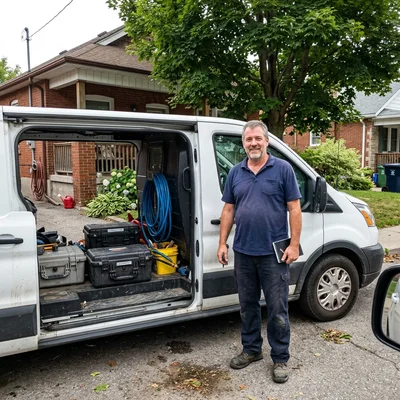
Dean Lemens
Owner & President, Extreme Clean Group
Dean Lemens is the owner and president of Extreme Clean Group and leads Hamilton Hoarding Pros. With over 20 years of experience in biohazard, trauma, and extreme cleaning across Greater Hamilton and Kitchener-Waterloo, he holds Triple Master IICRC certifications and ABRA credentials.
✓ IICRC Triple Master · ABRA Certified · Type 3 Asbestos Supervisor